NIOS Class 10 Economics Chapter 18: Analysis of Data explains how numerical data can be studied and interpreted to obtain meaningful information. In this chapter, students will learn about data analysis, descriptive analysis, central tendency and arithmetic mean. The chapter also covers different methods of calculating arithmetic mean, including direct method and step deviation method, with numerical examples for practice. These NIOS Class 10 Economics Chapter 18 solutions provide clear and easy answers to the Intext Questions and Terminal Exercise for better understanding and effective exam preparation.
NIOS Class 10 Economics Chapter – 18 Analysis of Data
MODULE 6: PRESENTATION AND ANALYSIS OF DATA IN ECONOMICS
TEXTBOOK QUESTIONS (SOLVED)
INTEXT QUESTIONS 18.1
Q.1. Give an example of central tendency.
Ans. Arithmetic means.
Q.2. Give a basic formula to calculate arithmetic mean.

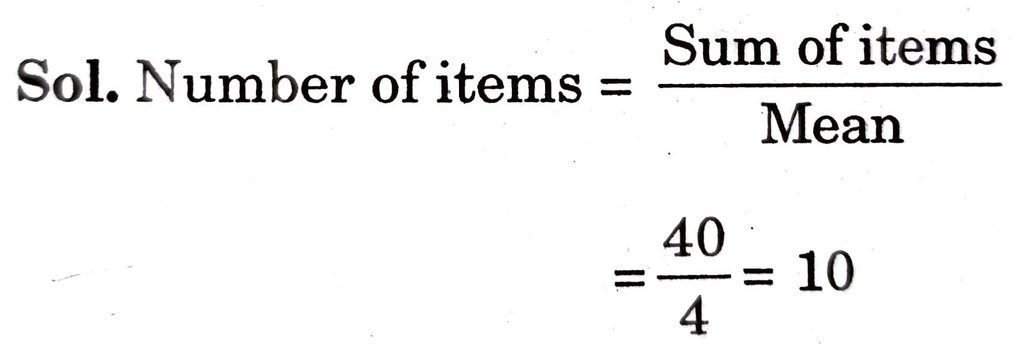
Q.3. If the sum of items is 40 and mean is 4 find out “N” (number) of items.
Q.4. Weekly consumption of sugar of Mr. Raja is 35 kg, what is his average daily consumption?

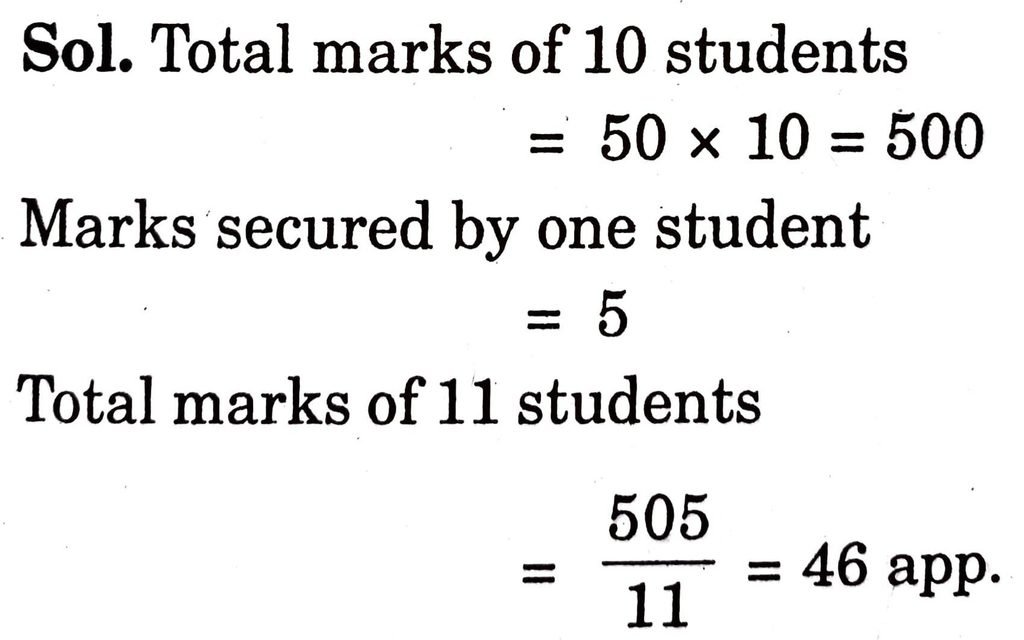
Q.5. If the average mark of 10 students is 50, if one more student is added to the group who secured 5 marks, what will be the new average?
INTEXT QUESTIONS 18.2
Q.1. Calculate arithmetic mean from the following data:
4, 6, 3, 7, 8, and 5

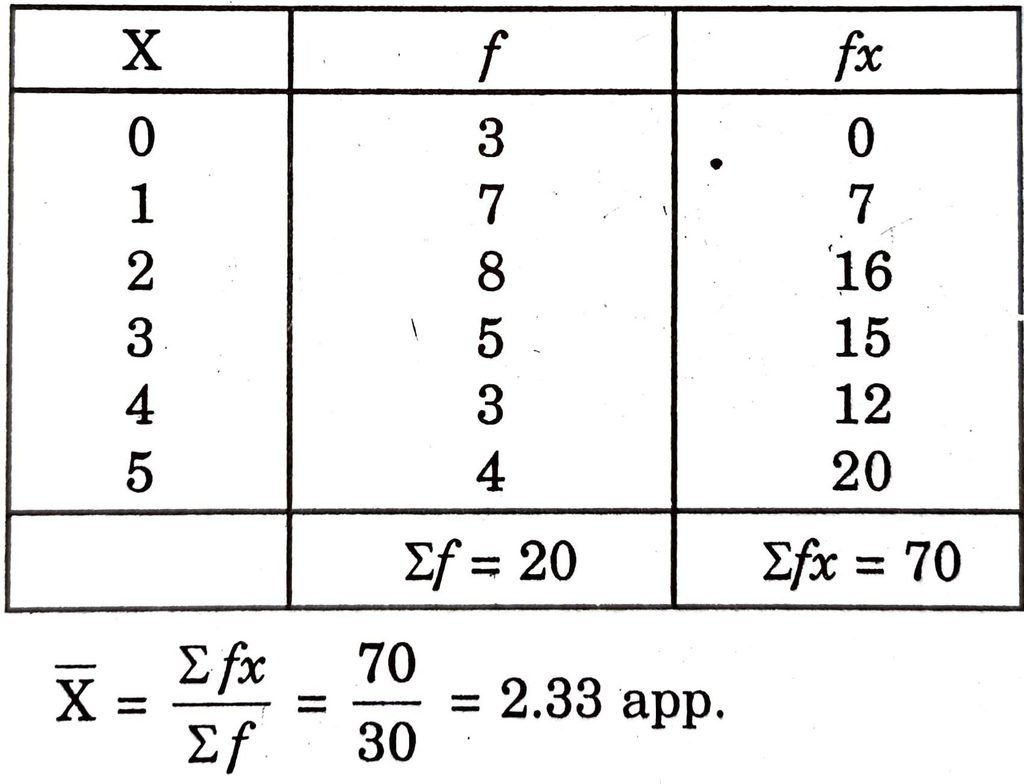
Q.2. Calculate arithmetic mean from the following data:

Sol.
Q.3. If the sum of the deviation measured from assumed mean of a group of 10 is + 50 and assumed mean is 20, what will be the actual mean.

TERMINAL EXERCISE
Q.1. What do you mean by analysis of data?
Ans. Analysis of data is a technique through which significant facts from the numerical data are extracted.
Q.2. What is meant by descriptive analysis?
Ans. Descriptive analysis means getting one single value that describes the characteristics of the whole data.
Q.3. Discuss the concept of central tendency.
Ans. Central tendency means tendency of data to cluster towards the central location or value.
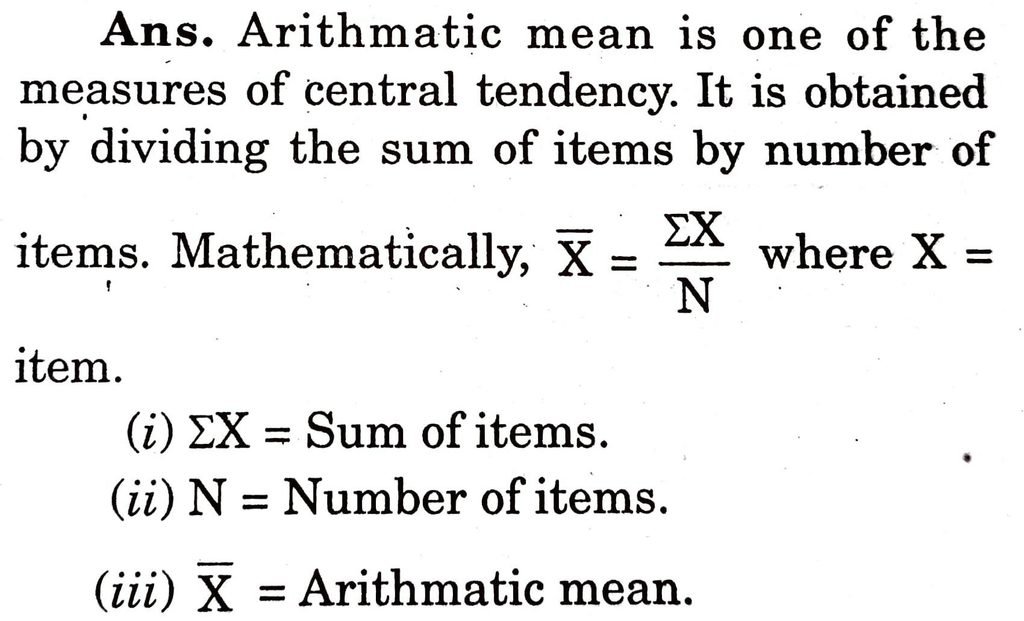
Q.4. What do you mean by arithmetic? How is it calculated?
Q.5. Define arithmetic mean. What does it reflect?
Ans. Arithmetic means a measure of central tendency. It represents all the data in a series.
Q.6. What do you mean by central tendency? How does arithmetic reflect it?
Ans. Tendency of data to cluster towards the central location or value is called central tendency. It reflects the location of numbers in central tendency.
Q.7. From the following data, find out the mean:
7, 4, 17, 19, 11, 16, 14, 9 and 11.

Q.8. If the following items are also added to the above set of data, what would be the revised mean 18, 14, 14, 8, 10 and 21.
Ans. Sum of 16 items = 123 + 18 + 14 + 14 + 8 + 10 + 21 = 208
No. of items = 10 + 6 = 16

Q.9. Calculate mean from the data given below:

Ans.

Alternative Method

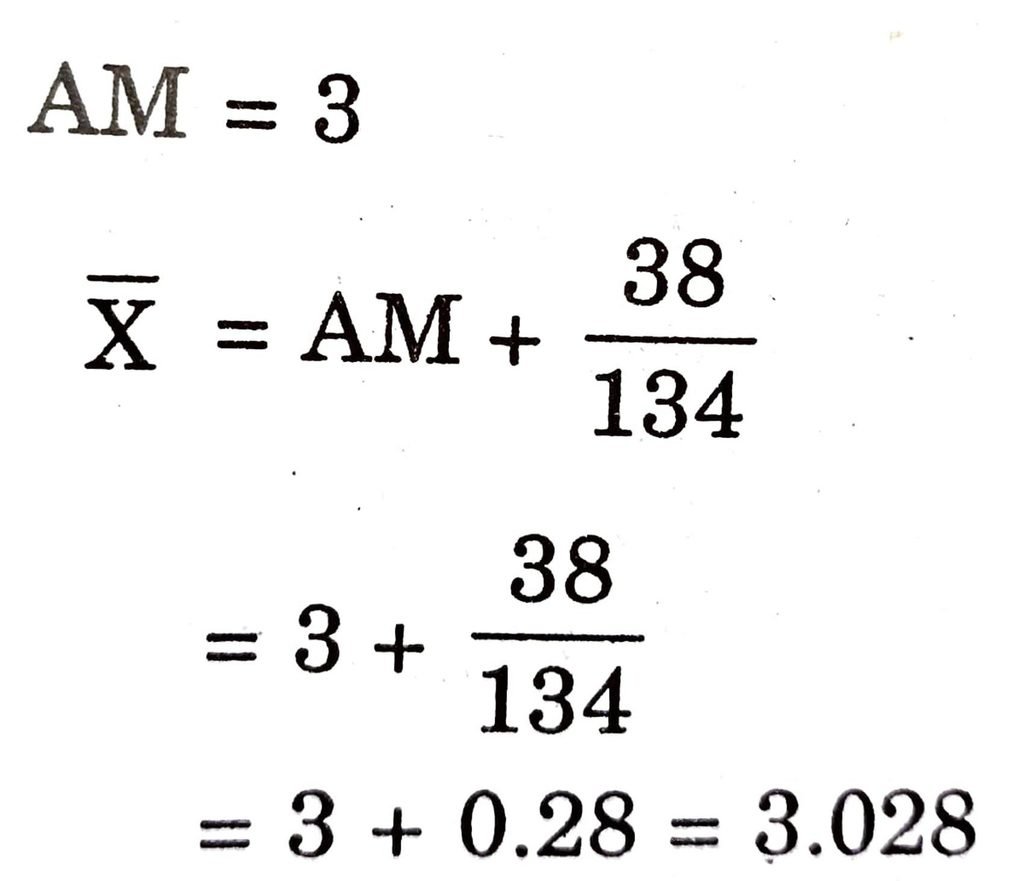
Q.10. Calculate arithmetic mean from the data given below:

Ans. Direct Method

Q.11. From the data given below find out mean:

Ans. Direct Method (With Step Deviation)
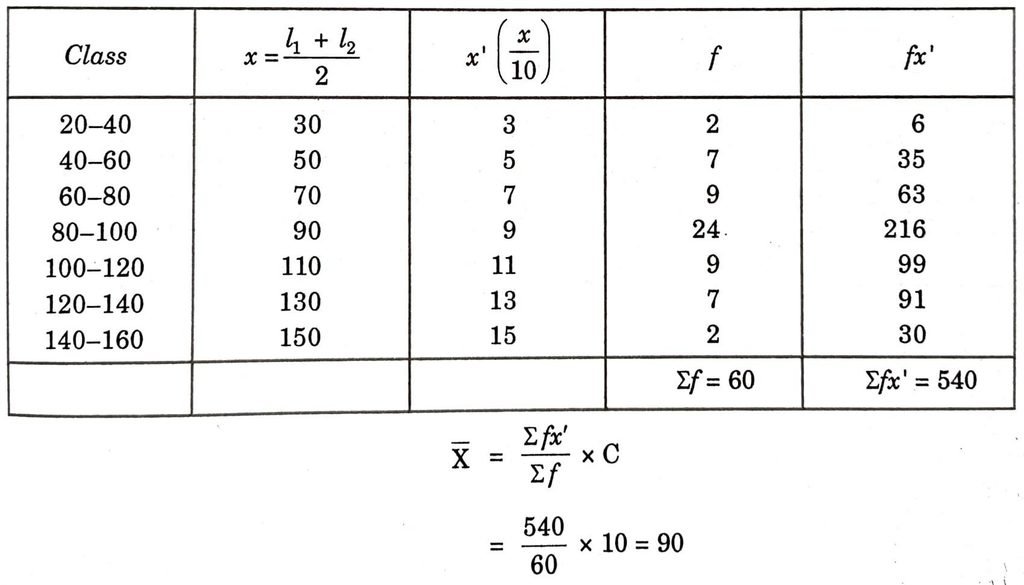

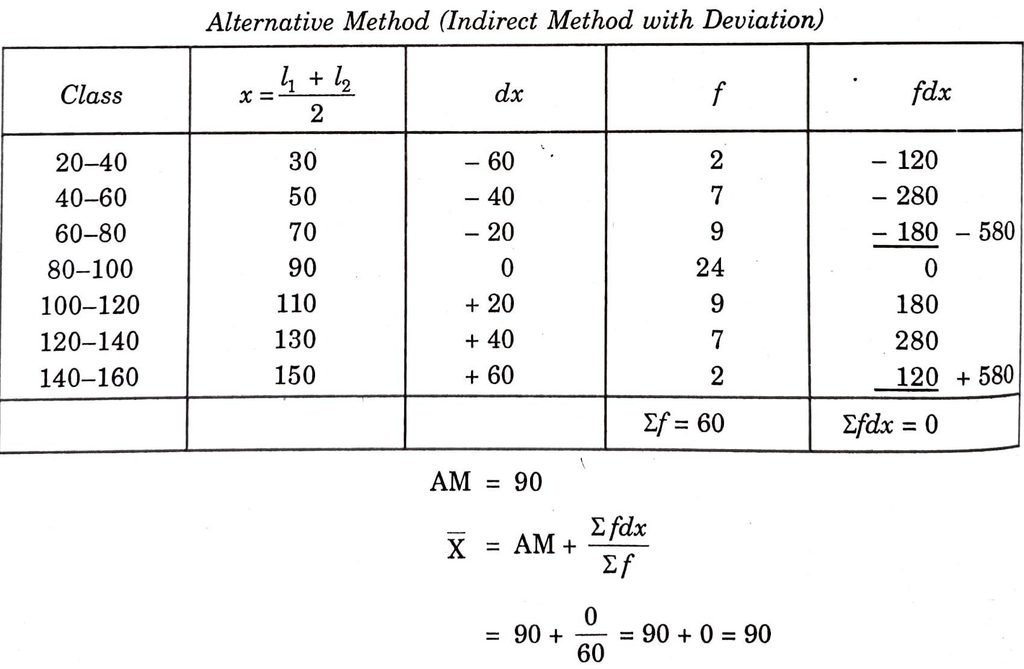
Conclusion
The NIOS Class 10 Economics Chapter 18 “Analysis of Data” helps students understand how numerical information can be analysed to identify significant facts and describe a set of data. The chapter focuses on descriptive analysis, central tendency and arithmetic mean, along with different methods of calculating the mean. The solved numerical questions provide useful practice and make revision easier. These solutions help NIOS students strengthen their understanding of data analysis and prepare effectively for examinations.